
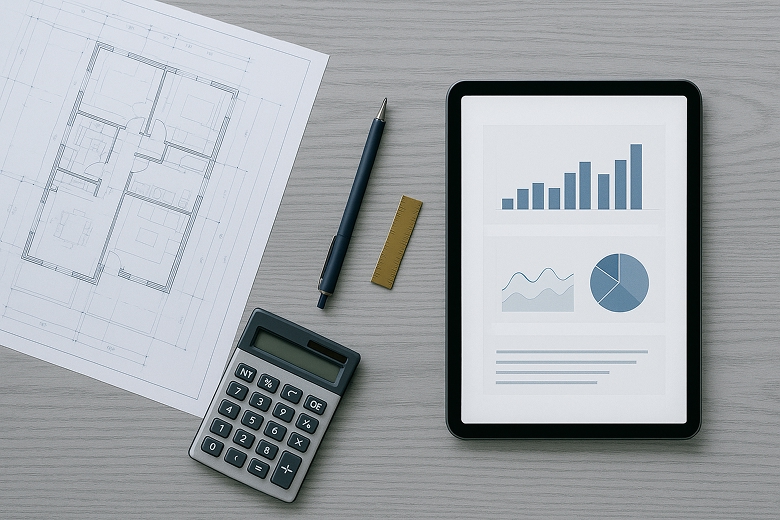
Buying your first home is exciting, but without proper financial planning, it can quickly become overwhelming. A smart strategy can help you avoid common mistakes and make confident decisions.
Understand Your Budget Clearly
Before browsing listings, determine how much you can truly afford. Consider your monthly income, existing debts, and long-term financial goals. Experts recommend that your housing cost should not exceed 30–35% of your monthly income.
Prepare for Hidden Costs
Many first-time buyers focus only on the property price. However, there are additional expenses such as:
Property taxes
Legal fees
Inspection costs
Maintenance and repairs
Insurance
Planning for these early prevents financial stress later.
Improve Your Credit Score
A strong credit score helps you secure better mortgage rates. Pay bills on time, reduce outstanding debts, and avoid taking new loans before applying for a mortgage.
Build an Emergency Fund
After purchasing a home, unexpected expenses may arise. Keeping at least 3–6 months of living expenses saved can protect you from financial pressure.
Final Thought:
Buying your first property is not just a purchase — it’s a long-term investment. Careful financial planning ensures stability and peace of mind.