
How Long Does It Take To Sell a Home?
One of the first questions many homeowners ask when considering selling is:
“How long will it take to sell my house?”
The answer depends on several factors, including:
- the current housing market
- the price of the home
- the condition of the property
- buyer demand in the area
It’s also important to understand that there are two different timelines involved in selling a
home.
Time on Market vs Time to Close
When people talk about how long it takes to sell a home, they are often referring to two
different phases of the process.
Time on Market
This refers to how long the home is actively listed for sale before a buyer agrees to purchase it.
In strong markets, many homes receive offers within:
- a few days
- a week
- or a few weeks
However, some homes may remain on the market longer depending on price, condition, or
location.
Closing Timeline
Once a home goes under contract, there is usually a standard closing period before the sale is
finalized
In many transactions this period is approximately:
30 to 45 days
This time allows for:
- inspections
- loan approval
- using a bridge loan to purchase first
- final paperwork
When Sales Take Longer
Sometimes a sale can take longer depending on the terms of the contract.
For example, if the buyer needs to sell their current home first, the contract may include a sale
contingency.
In these cases the timeline could extend by an additional:
- 30 days
- 60 days
- or occasionally longer
These situations are common and can still result in successful transactions, but they can extend
the timeline.
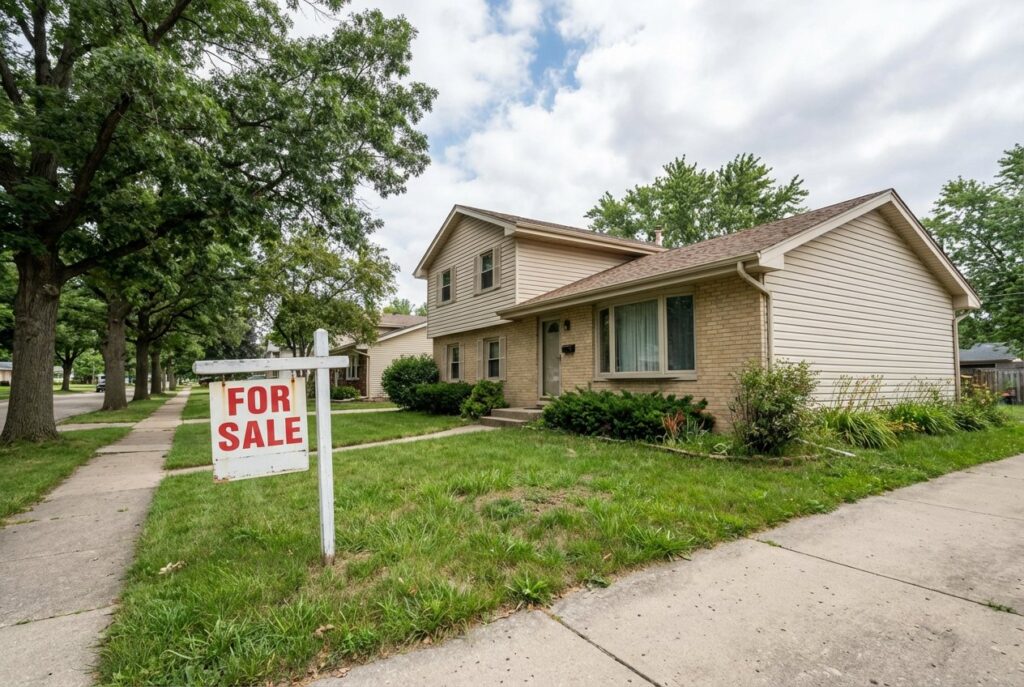
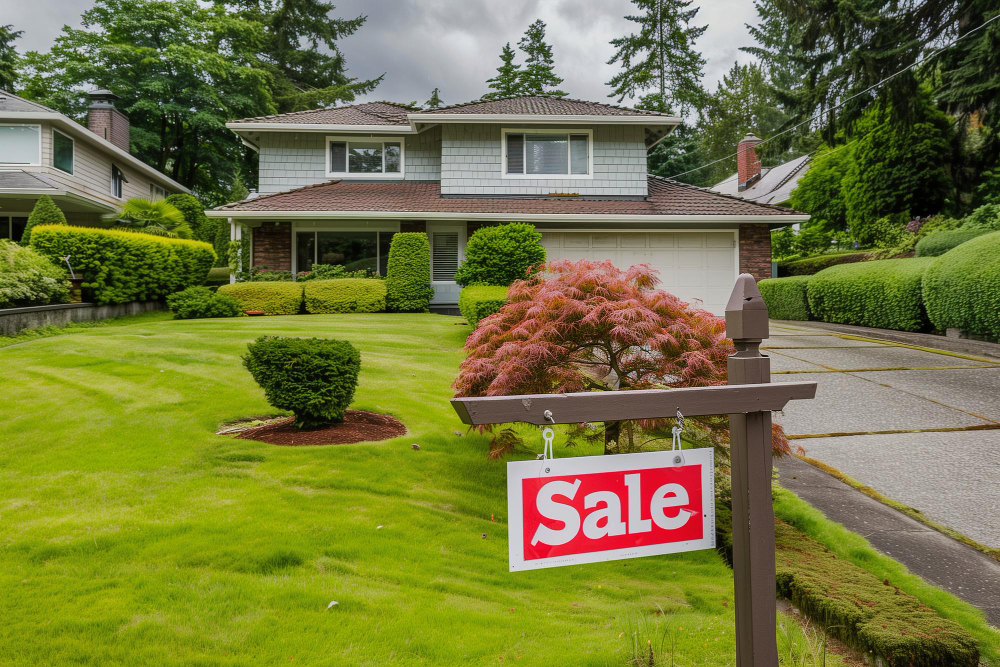
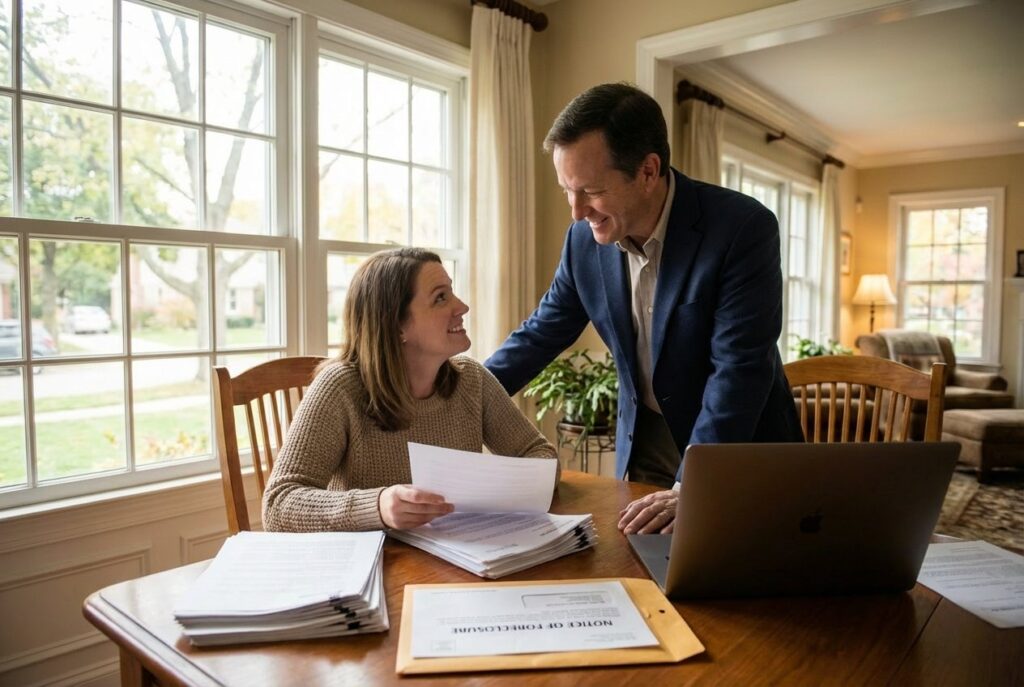

Short Sales Can Take Longer some sellers find this advantageous because it allows them more time in the home.
In situations where a homeowner owes more than the property may sell for, a short sale may be
necessary.
Because the lender must approve the transaction, the process typically takes longer.
In many cases, short sales take approximately:
3 to 6 months
However, they can sometimes move faster or slower depending on the lender involved.
How Buyers Interpret Days on Market
Buyer psychology can play a surprisingly large role in how quickly a home sells.
When a well-priced home hits the market, buyers often expect it to sell quickly.
If a home sits on the market for several weeks or months, buyers may start asking questions like:
- “Why hasn't this home sold yet?”
- “Is there something wrong with it?”
- “Is it overpriced?”
Because of this, early pricing strategy can be extremely important.
Pricing a home correctly from the beginning often generates stronger buyer interest and can
sometimes even lead to multiple offers.


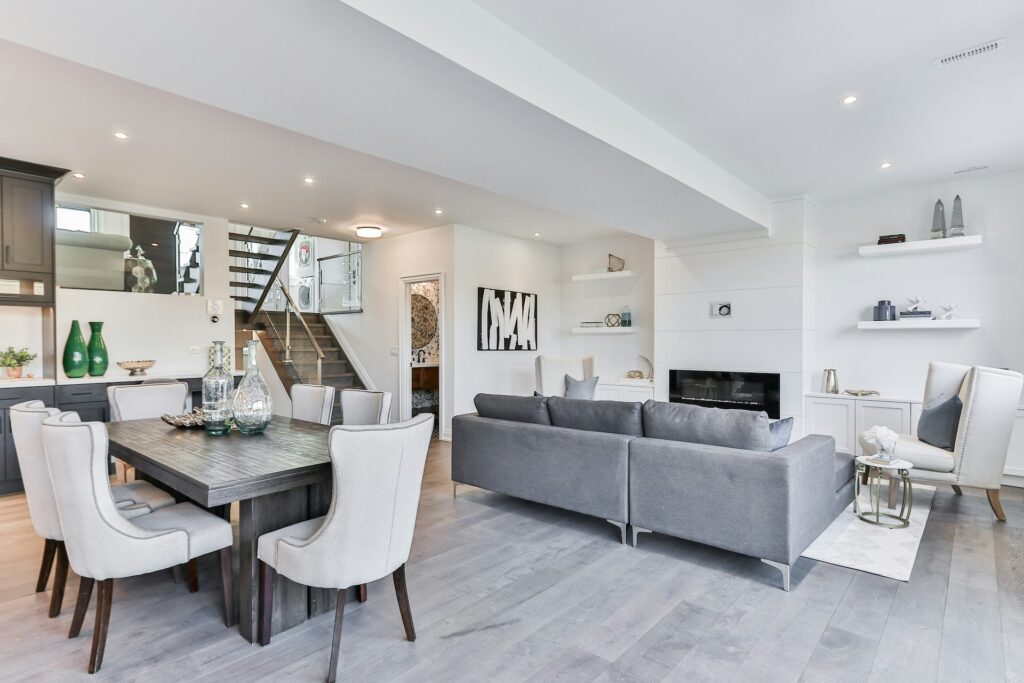
The Risk of Testing the Market With a High Price
Some homeowners consider listing their home at a higher price initially to see if the market
responds.
While this approach can occasionally work, it also carries some risk.
If a home sits on the market too long at an unrealistic price, buyers may begin to assume there is
something wrong with the property.
Even after the price is reduced later, the home may still carry the perception of having been
overpriced or overlooked.
This is why thoughtful pricing strategy from the start can be so important.
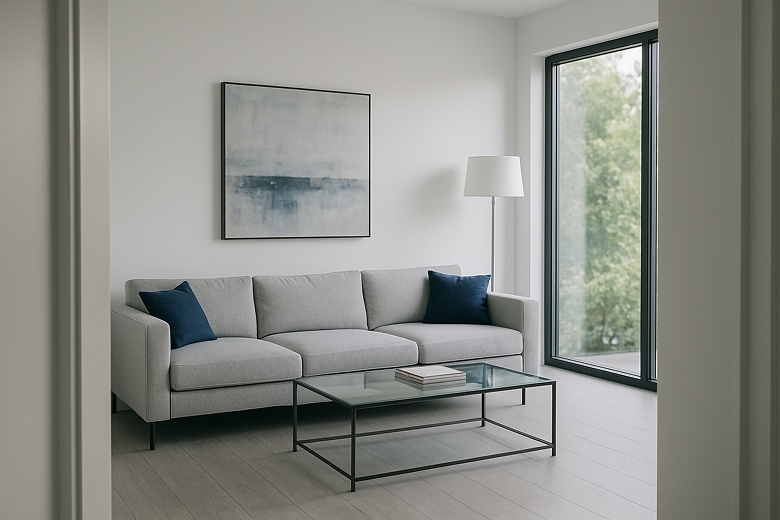
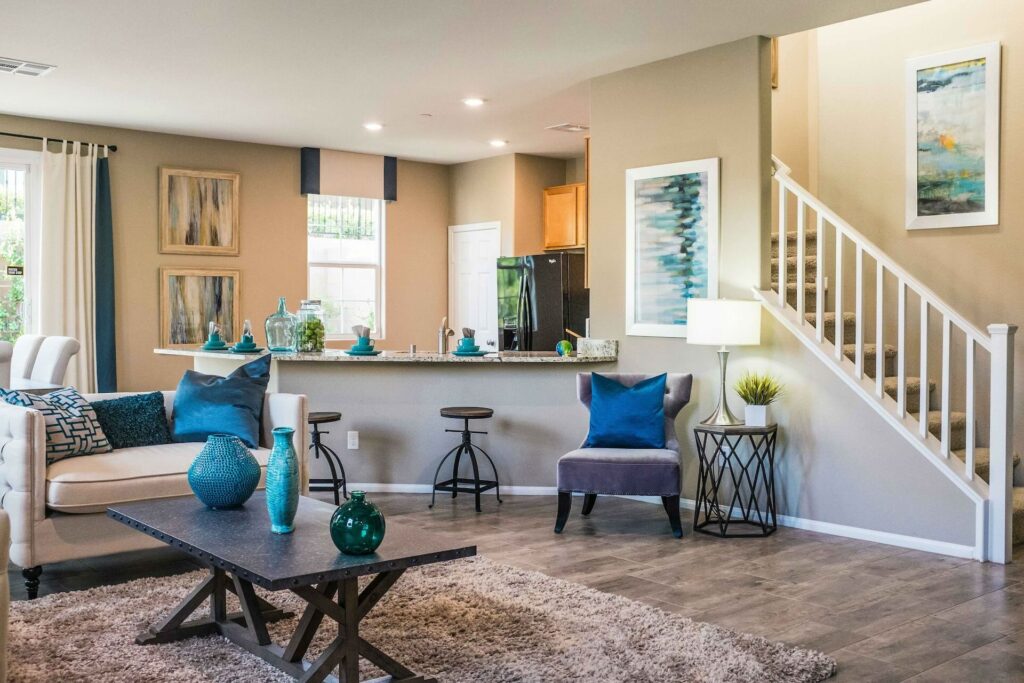
How Your Home Is Presented Can Change the Price
Another factor that can dramatically influence how quickly a home sells is how the property is
presented to buyers.
Even relatively simple improvements can make a significant difference in how buyers perceive a
home online and during showings.
Examples include:
- fresh paint
- updated lighting or hardware
- professional cleaning
- staging or virtual staging
- improving curb appeal
Sometimes small adjustments can dramatically change how a home is received by buyers.
Thinking About Selling Your Home?
If you’re considering selling your home, understanding the current market and how buyers are
behaving can help you plan your next steps more confidentlya personalized estimate below
Get Your Personal Timeline Estimate
Every home and situation is different. Share a few details and we’ll give you a realistic picture of what to expect in the current market.